
Since the industrial revolution, many landscapes can be increasingly characterised by their anthropogenic soundscapes which have profoundly impacted both human health and wellbeing, and ecological communities. Over half of the world’s population lives in urban areas; a landscape dominated by noise from human activities. In this project we’ll investigate the physiological and psychological effects of anthropogenic noise on humans and seek to develop strategies to lessen the impact.
Anthropogenic noise also negatively impacts wildlife which has led to declines in animal species richness, abundance and diversity within urban environments. Noisy environments also elicit behavioural changes in wildlife including adaptations in vocalisations, a reduction in hunting success, and alterations in breeding behaviour. In this project we’ll assess experimentally how road noise impacts a range of taxa including bats, birds, and terrestrial mammals.
Future adaptations to the urban soundscape may have considerable socio-ecological benefits in mitigating the impact of noise pollution. Reduced speed limits can decrease traffic collisions, promote physical activity, and improve air quality, however the impact on the well-being of residents and biodiversity have not been routinely researched. Similarly, over the next decade, there will be a swift transition to electric vehicles (EVs), which sound different and are quieter than conventional vehicles. In this project we will therefore assess the potential of reduced speed limits and EVs to make urban landscapes a healthier and more hospitable place for people and wildlife.
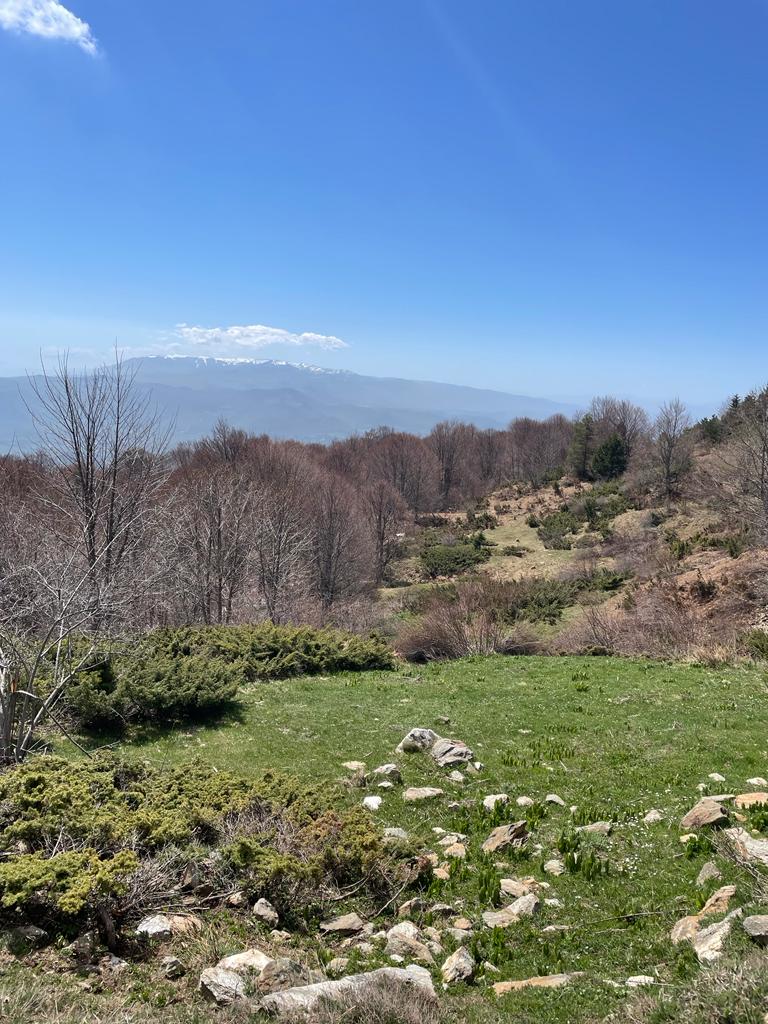
This project will involve data collection in the field and data analysis using statistical methods. Most of the fieldwork will occur in Greece in collaboration with Bear Bones Science (https://bearbonesscience.com/research) and will involve a minimum of two field seasons (summer 2024 and 2025) living in Greece. The PhD will be supervised by Dr Paul Lintott, Dr Issy Bray and Dr Angeliki Savvantoglou.
For an informal discussion about the studentship, please email Paul Lintott at paul.lintott@uwe.ac.uk
Funding details
The studentship is available from 01 October 2023 for a period of 3.5 years, subject to satisfactory progress and includes a tax exempt stipend, which is currently £17,668 (2022/23) per annum.
Including, full-time tuition fees for up to 3 years (Home).
Eligibility
Candidates with either a background in conservation and ecology, public health or psychology are strongly encouraged to apply. Given the multi-disciplinary nature of the PhD, we are looking for a candidate with experience in either i) fieldwork (including camera trapping and acoustic monitoring), or ii) assessing human physiological and psychological responses to stress. A full driving licence would also be beneficial.
How to apply
Please submit your application online. When prompted use the reference number 2324-OCT-HSS05.